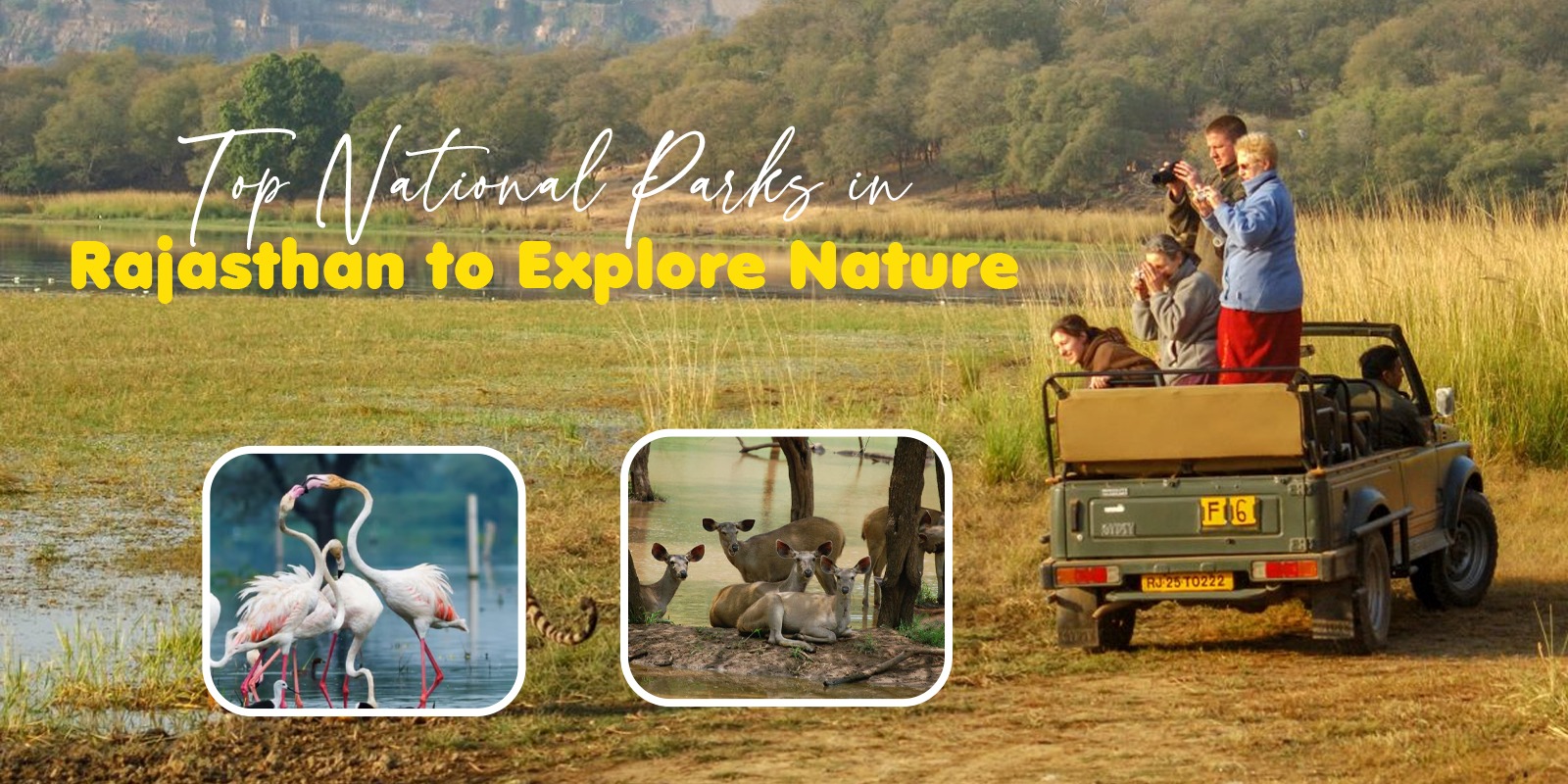
Rajasthan, often associated with its royal palaces, golden deserts, and vibrant culture, also offers a stunning contrast through its rich biodiversity. With numerous national parks and wildlife sanctuaries, Rajasthan serves as a paradise for nature enthusiasts and wildlife lovers alike. Whether it’s spotting the majestic Bengal tiger, watching migratory birds, or enjoying a peaceful jungle safari, the National Parks in Rajasthan offer a unique and unforgettable experience.
Location: Sawai Madhopur
Best Time to Visit: October to June
Ranthambore, among the most renowned national parks in Rajasthan, is famed for its thrilling tiger sightings. Once the royal hunting grounds of Maharajas, this expansive 1,334-square-kilometer reserve is now a protected haven for wildlife. In addition to Bengal tigers, visitors may spot leopards, sambar deer, sloth bears, and wild boars roaming the dense forests and open grasslands.
The park also houses the majestic Ranthambore Fort, a UNESCO World Heritage Site, offering panoramic views of the lush forest below. Jungle safaris are conducted twice a day and are one of the best ways to experience the wildlife up close.
Location: Alwar District
Best Time to Visit:October to March
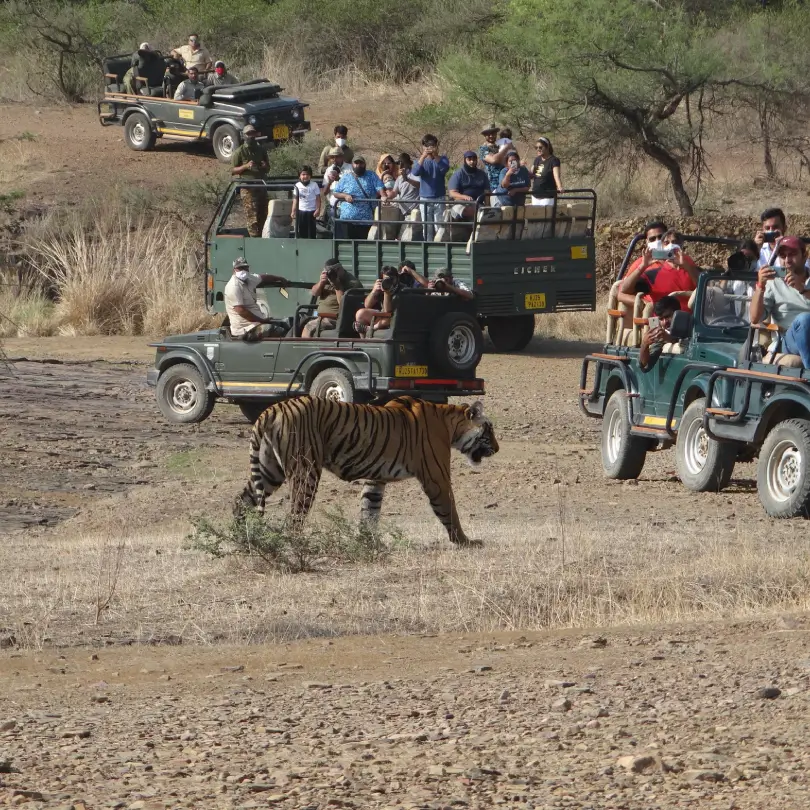
Sariska Tiger Reserve stands out as another remarkable gem among the national parks in Rajasthan, renowned for its rich wildlife and majestic Bengal tigers. Situated about 200 kilometers from Delhi, it serves as an ideal weekend retreat for wildlife enthusiasts. Spanning over 800 square kilometers, the reserve shelters a diverse range of fauna, including Bengal tigers, leopards, jackals, hyenas, and various species of deer, offering visitors a thrilling and immersive wildlife experience.
Sariska is also rich in history. The historic Kankwari Fort, nestled within the Sariska Tiger Reserve, offers visitors a fascinating glimpse into the region’s rich Mughal heritage and past. The Siliserh Lake nearby adds to the scenic beauty and is a favorite picnic spot for visitors.
Location: Bharatpur
Best Time to Visit: October to February
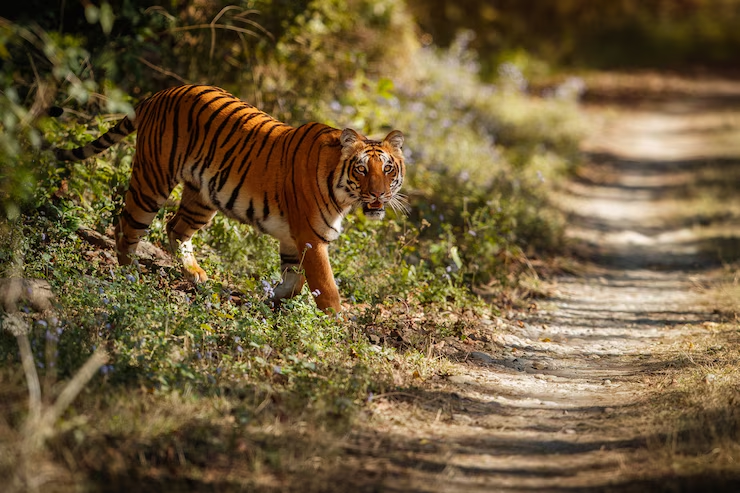
Once known as Bharatpur Bird Sanctuary, Keoladeo National Park is a tranquil paradise for bird watchers and nature photographers, home to an incredible diversity of bird species amidst its lush, serene wetlands. Recognized as a UNESCO World Heritage Site, the park hosts over 370 species of birds, including migratory birds from Europe, China, and Siberia.
The star attractions are the Siberian cranes, painted storks, and various species of herons and ducks. Visitors often explore the park on foot, by bicycle, or through cycle rickshaw rides, which offer a quieter and more immersive experience in the serene wetlands.
Location:Near Jaisalmer
Best Time to Visit: November to January
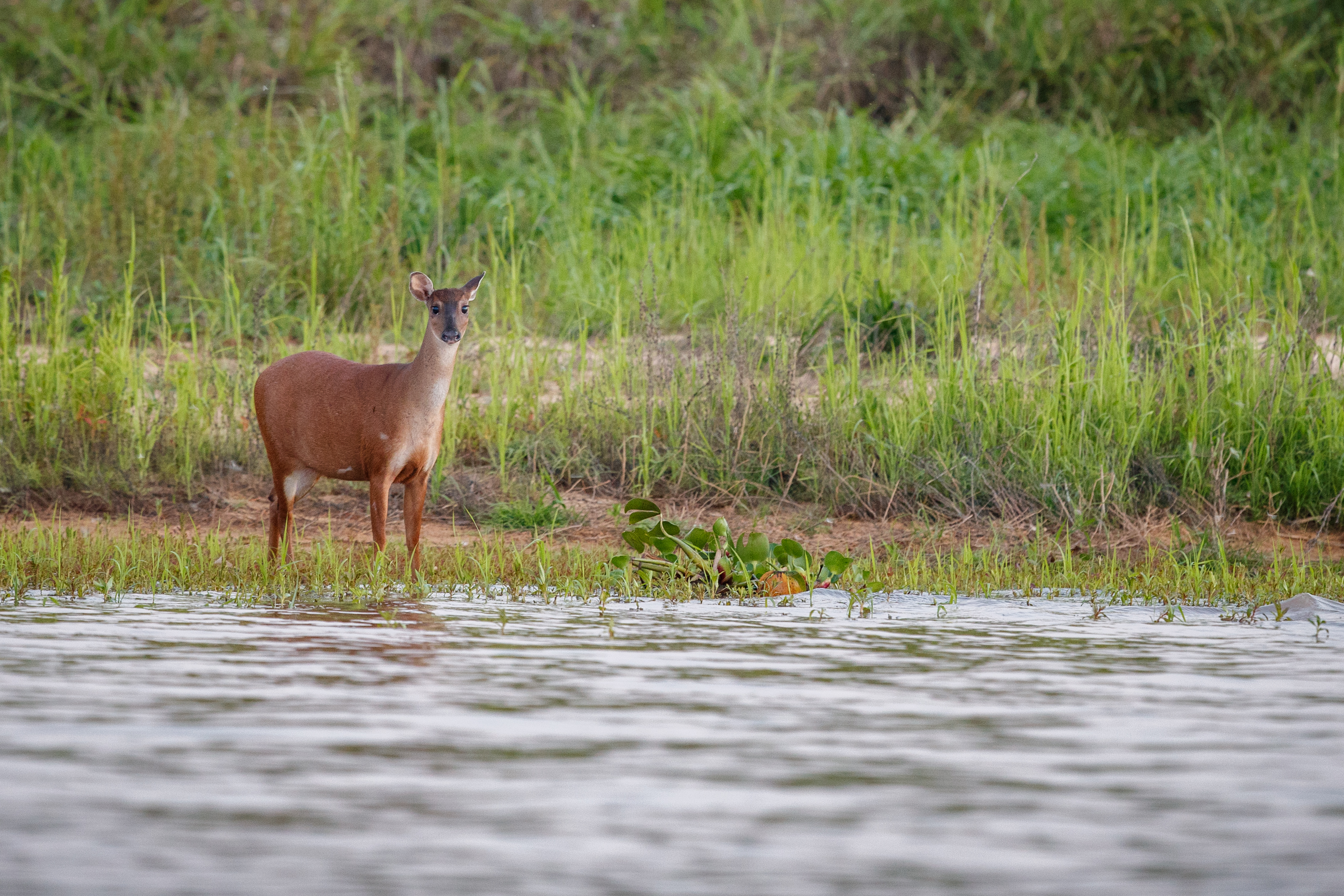
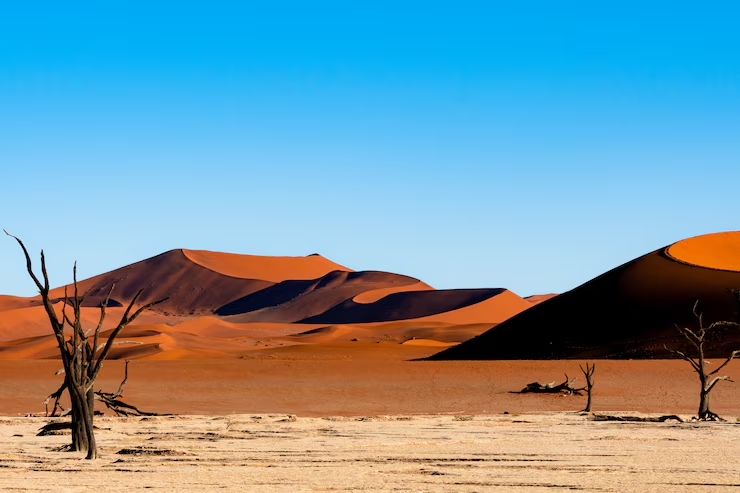
Set amidst the vast Thar Desert, the Desert National Park provides a unique wildlife experience, showcasing the adaptability of flora and fauna in arid and harsh conditions. Unlike lush forests, this park features arid landscapes, sand dunes, and rocky terrains. Despite the harsh conditions, it supports a wide variety of fauna.
The park is famous for sightings of the endangered Great Indian Bustard, a large ground bird found only in a few regions of India. You may also spot desert foxes, chinkaras, and various reptiles adapted to the desert ecosystem. A visit to this park offers insight into how life thrives even in extreme conditions.
Location: Sirohi District, Mount Abu
Best Time to Visit: October to March
Tucked away in the scenic Aravalli Range, Mount Abu Wildlife Sanctuary provides a lush, green escape amidst Rajasthan’s otherwise arid terrain, making it a perfect retreat for nature lovers. The sanctuary is known for its rich floral diversity and is home to over 800 plant species.
The sanctuary is home to a variety of wildlife, including leopards, jungle cats, porcupines, and Indian civets, adding to its ecological richness. The cooler climate and scenic beauty make it one of the most pleasant national parks in Rajasthan to visit during summer. The sanctuary is also a good spot for trekking and birdwatching.
Location: Rajsamand District
Best Time to Visit: October to March
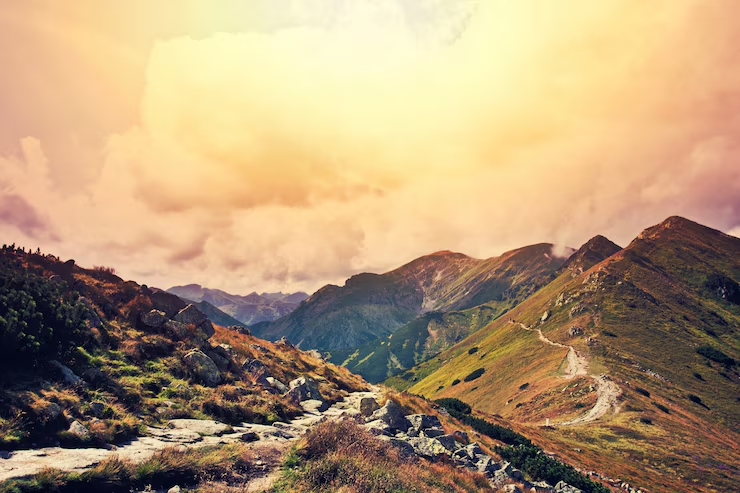
Surrounding the majestic Kumbhalgarh Fort, this wildlife sanctuary is spread across 610 square kilometers. Characterized by its hilly terrain and dry deciduous forests, the sanctuary provides a natural habitat for diverse wildlife such as leopards, wolves, sloth bears, and hyenas
Trekking and horseback safaris are popular ways to explore the sanctuary. It also offers breathtaking views of the Aravalli Hills, making it a must-visit destination for adventure seekers and nature lovers alike.

The national parks in Rajasthan offer far more than just glimpses of wildlife—they present a rich tapestry of ecosystems, history, and cultural experiences. Whether it’s watching tigers in Ranthambore, birdwatching in Bharatpur, or exploring the desert life near Jaisalmer, each park promises a unique adventure
If you're a nature lover or someone looking to explore the wild side of Rajasthan, make sure these national parks are on your itinerary. They’re not just a break from the usual tourist spots—they’re a chance to connect with the raw and untamed beauty of the region.